OPERATIONS· PILLAR GUIDELegacy Modernization for AI: Why You Can't Layer Workflows on Broken SystemsMar 7, 2026Read more→
OPERATIONS· PILLAR GUIDEAI in Operations: From Process Mining to Production WorkflowsMar 5, 2026Read more→
COMPLIANCE· PILLAR GUIDEEU AI Act Compliance: The Practical Guide for DACH EnterprisesMar 3, 2026Read more→
METHODOLOGY· PILLAR GUIDEThe AI Operating System: A Methodology for Turning AI Pilots into Operating LeverageMar 1, 2026Read more→
READINESS· PILLAR GUIDEAI Readiness for Mittelstand: What Actually Matters Before You BuildFeb 27, 2026Read more→
COMPLIANCEDIHK Digitalisierungsumfrage 2026: Why Every Second German Company Distrusts Non-European AI Providers — And What It Means for Your Platform StrategyJun 9, 2026Read more→
READINESSKfW KI-Studie 2026: Why the Mittelstand Uses More AI — But Invests LessJun 8, 2026Read more→
COMPLIANCEEU AI Act Digital Omnibus: What the Postponement Means for Your AI RoadmapMay 31, 2026Read more→
METHODOLOGYNo-Code vs. Pro-Code AI Agents: The Architecture Decision That Determines Your AI ROIMay 30, 2026Read more→
OPERATIONSCopilot Studio for Enterprise AI Agents: What It Can Do, Where It Stops, and When to Move OnMay 28, 2026Read more→
OPERATIONSThe Hallucination Problem: What the Research Says and What It Means for EnterpriseMay 18, 2026Read more→
OPERATIONSLegacy Readiness Check: 6 Dimensions That Predict Modernization UrgencyMay 8, 2026Read more→
BUSINESS CASEMeasuring Operational AI Impact: Beyond Accuracy to Business OutcomesMay 5, 2026Read more→
READINESSData Quality for AI: What the Research Shows About Garbage In, Garbage OutMay 4, 2026Read more→
OPERATIONSMLOps for Mittelstand: What You Actually Need vs. What Vendors Sell YouMay 2, 2026Read more→
BUSINESS CASEMeasuring AI ROI: The Metrics That Actually Matter for Mittelstand CompaniesMay 1, 2026Read more→
BUSINESS CASEThe Self-Hosting Decision Tree: Data Sovereignty vs. Operational RealityApr 29, 2026Read more→
OPERATIONSModel Lifecycle Management: Versioning, Monitoring, and Drift DetectionApr 24, 2026Read more→
METHODOLOGYOrganisational Learning for AI: Building the Feedback Loop That CompoundsApr 22, 2026Read more→
BUSINESS CASEGPU Infrastructure Economics: On-Premise vs. Cloud vs. Hybrid for DACHApr 20, 2026Read more→
OPERATIONSProcess Mining for AI: How to Find the Workflows That Actually Benefit From AIApr 4, 2026Read more→
COMPLIANCECompliance by Design: Building EU AI Act Compliance Into AI Workflows From Day OneApr 2, 2026Read more→
COMPLIANCEHow to Run a DPIA for AI: A Step-by-Step Walkthrough for Enterprise TeamsMar 31, 2026Read more→
COMPLIANCEWhat the EU AI Act Means for Mittelstand Companies (And What It Doesn't)Mar 28, 2026Read more→
COMPLIANCEEU AI Act Risk Classification: How to Determine Where Your AI System FallsMar 24, 2026Read more→
METHODOLOGYThe Six Dimensions That Predict Whether Your AI Initiative Will Reach ProductionMar 17, 2026Read more→
COMPLIANCEGDPR-Compliant AI Platforms for DACH Enterprises: What Actually Matters in Platform SelectionJun 11, 2026Read more→
OPERATIONSSovereign AI: Why European Enterprises Are Re-Evaluating Their Cloud DependenciesJun 6, 2026Read more→
OPERATIONSSAP's Billion-Euro Bet on Tabular Foundation Models: What It Means for Enterprise AI in DACHJun 5, 2026Read more→
OPERATIONSThe Agentic AI Governance Gap: Why 97% of Enterprises Explore AI Agents But Only 11% Run Them in ProductionJun 10, 2026Read more→
BUSINESS CASEThe AI Developer Tools Cost Trap — What Copilot's Billing Change Reveals About Enterprise AI EconomicsJun 7, 2026Read more→
METHODOLOGYAI Change Management: Why 78% of Transformations Fail on People, Not TechnologyJun 4, 2026Read more→
OPERATIONSThe Agent Development Lifecycle: Why Your SDLC Does Not Work for AI AgentsJun 3, 2026Read more→
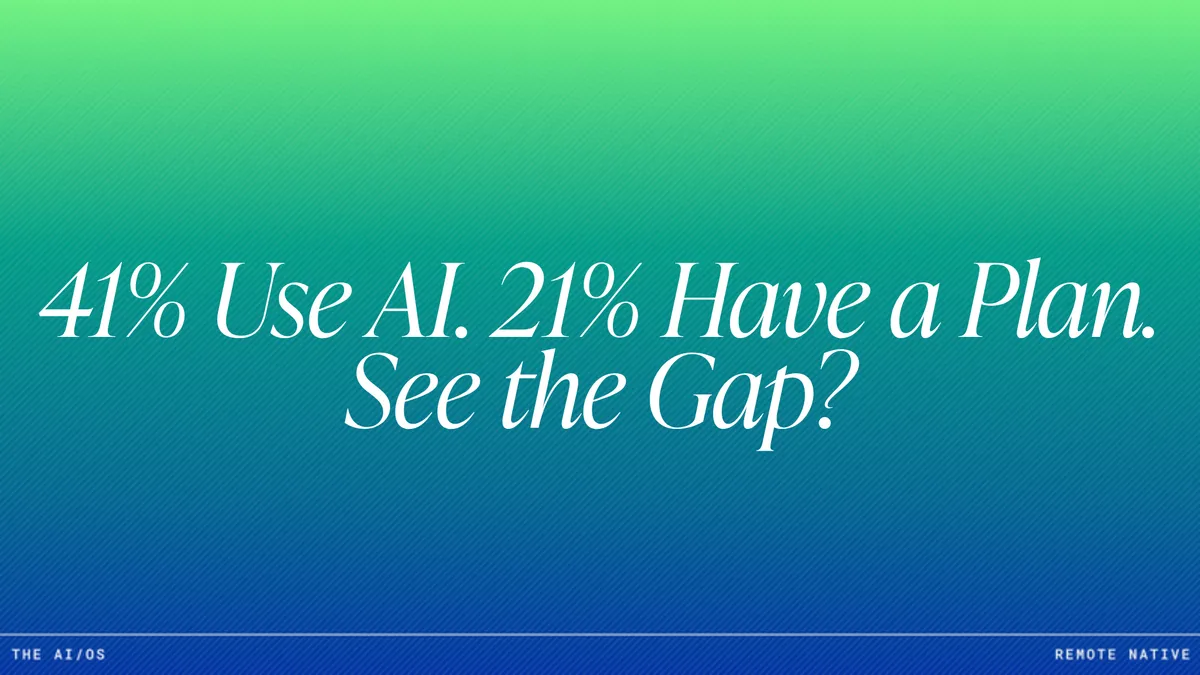
READINESSBitkom KI-Studie 2026: 41% Use AI, Only 21% Have a Strategy — The Gap That Costs Real RevenueJun 1, 2026Read more→
METHODOLOGYThe 90-Day AI Operating System Install: A Week-by-Week Execution CalendarMay 24, 2026Read more→
BUSINESS CASEAI Investment Is Surging. Returns Are Not. What Five Global Studies Reveal.May 20, 2026Read more→
OPERATIONSThe AI-Shift Migration Strategy: When Waiting to Migrate Is the Smarter MoveMay 19, 2026Read more→
METHODOLOGYWorkflow Redesign, Not AI Tools: The Finding That McKinsey, Bain, and BCG All Agree OnMay 16, 2026Read more→
BUSINESS CASEFrom AI Pilot to P&L Impact: Why Most Pilots Never Reach the Bottom LineMay 15, 2026Read more→
METHODOLOGYAgentic AI in the Enterprise: The Value Layer McKinsey, BCG, and Bain Are TrackingMay 13, 2026Read more→
OPERATIONSFrom Ambition to Activation: What Deloitte's 3,235-Leader Survey Reveals About Scaling AIMay 11, 2026Read more→
BUSINESS CASEThe AI Reinvention Premium: Why Transformed Companies Outperform by 37 Percentage PointsMay 9, 2026Read more→
READINESSThe 5% Blueprint: What BCG's 'Future-Built' Companies Do That Others Don'tMay 7, 2026Read more→
BUSINESS CASE88% Adopt, 6% Win: McKinsey's Data on Why Enterprise AI Fails to ScaleMay 3, 2026Read more→
READINESSAI Readiness in Regulated Industries: Insurance, Finance, and HealthcareApr 30, 2026Read more→
METHODOLOGYAI Governance for Mid-Market Companies: Lightweight Frameworks That Actually WorkApr 25, 2026Read more→
METHODOLOGYFrom AI Pilot to Production: Why Most Pilots Never Ship and How to Beat the OddsApr 23, 2026Read more→
BUSINESS CASEWhat Does an AI Initiative Actually Cost? A Realistic Breakdown for Mittelstand BudgetsApr 21, 2026Read more→
METHODOLOGYAI Decision Architecture: Who Decides What — Human, Machine, or BothApr 16, 2026Read more→
METHODOLOGYThe AI Context Layer: Why Most Enterprise AI Fails on Data, Not ModelsApr 14, 2026Read more→
OPERATIONSMonitoring AI in Production: The Observability Stack You Actually NeedApr 12, 2026Read more→
OPERATIONSAI Vendor Selection: How to Evaluate Platforms, Models, and Partners Without Getting Locked InApr 11, 2026Read more→
OPERATIONSBuild vs. Buy for Enterprise AI: When Custom Models Lose to Workflow IntegrationApr 9, 2026Read more→
COMPLIANCEAI Security Attack Surfaces: Prompt Injection, Data Poisoning, and Model ExtractionApr 8, 2026Read more→
OPERATIONSAutomation vs. Augmentation: When AI Should Replace Tasks and When It Should Enhance PeopleApr 7, 2026Read more→
BUSINESS CASEHow to Build an AI Business Case That Survives the GeschäftsführungMar 25, 2026Read more→
READINESSAI Readiness vs. AI Maturity: Why the Distinction Matters for Your First InitiativeMar 21, 2026Read more→